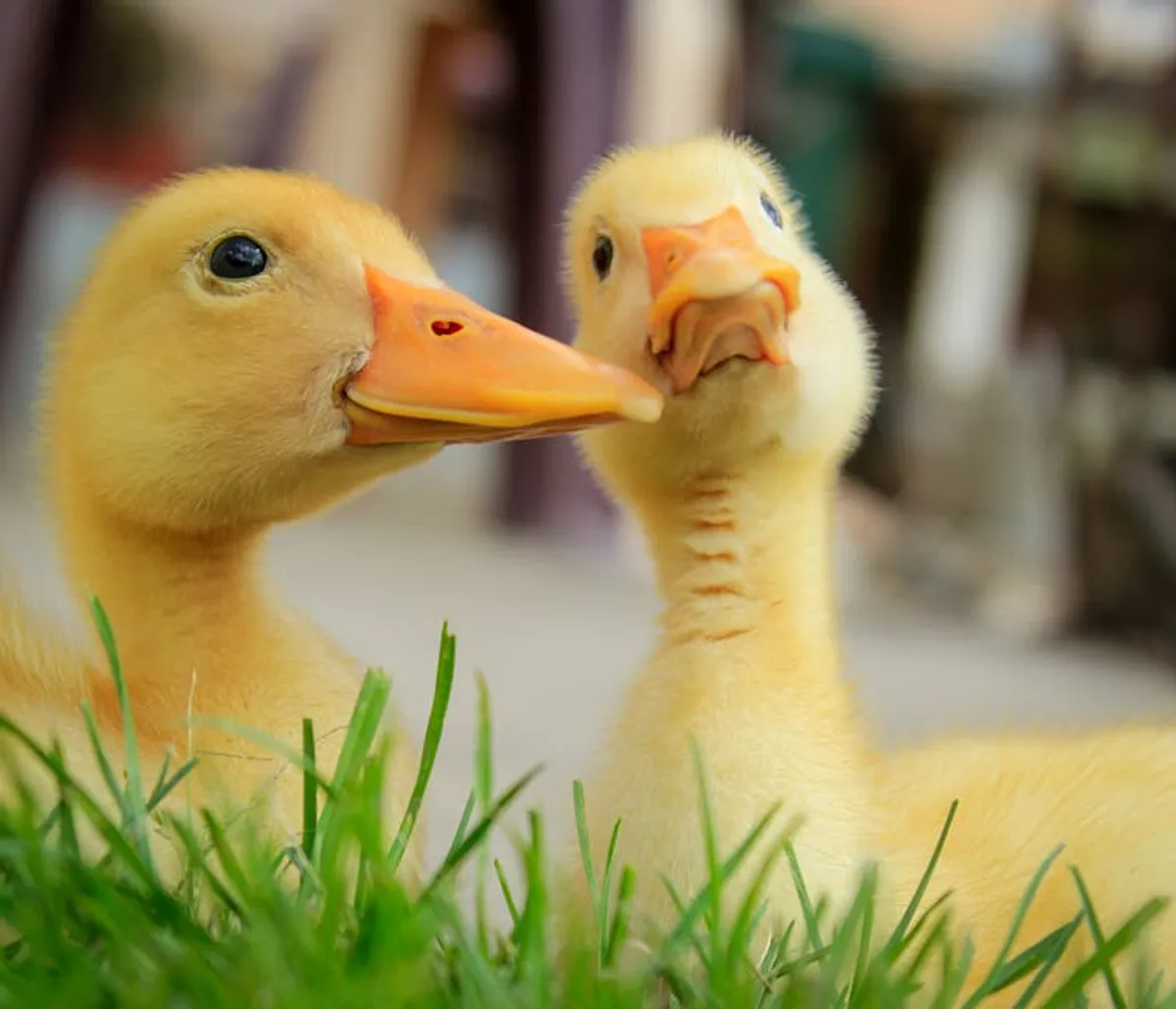
Duck puns, often dismissed as mere novelty, represent a potent, underutilized tool in the marketer's toolkit. For brands seeking to enhance memorability, foster audience engagement, and inject personality into their communications, understanding the mechanics and strategic deployment of duck-themed wordplay offers a distinct advantage. This isn't about childish humor; it's about leveraging cognitive biases toward surprise and delight to make content sticky and shareable. Deploying these effectively requires more than just a list of jokes; it demands an understanding of their linguistic underpinnings, their various forms, and the specific contexts where they resonate most with a target audience.
Understanding Duck Puns: The Mechanics of Avian Wordplay
Defining the Duck Pun
A duck pun is a form of wordplay that relies on the phonetic similarity or double meaning of words related to ducks. This typically involves homophones (words that sound alike but have different meanings and spellings, like "quack" and "quack"), homonyms (words that are spelled and sound alike but have different meanings), or words that can be reinterpreted in a duck-related context. The humor arises from the unexpected twist, forcing the audience to momentarily reconcile two disparate meanings within a single phrase. For marketers, this cognitive effort translates into increased attention and retention.
Linguistic Foundations: Homophones and Double Meanings
The efficacy of duck puns stems from specific linguistic principles:
- Homophonic Substitution: Replacing a common word with a duck-related word that sounds similar. Example: "Let's get all our ducks in a row" becomes "Let's get all our ducks in a row." (This is a literal example, but the pun comes when a non-duck word is replaced by a duck word). More effectively: "Feeling ducky today?" (from "lucky").
- Double Entendre: Crafting phrases where a word or phrase has both a literal, innocent meaning and a secondary, often humorous or suggestive, duck-related meaning. Example: A restaurant might advertise "Come for a quacking good time," implying both fun and a duck sound.
- Contextual Reinterpretation: Taking a common idiom or phrase and subtly altering it or applying it to a duck scenario. Example: "Easy as duck soup" (from "easy as pie").
These mechanisms ensure that the pun isn't just random but has a structural basis that allows for immediate comprehension and amusement, provided the audience grasps both meanings.
Common Duck Pun Examples and Their Applications
Understanding the structure allows for creative generation. Here are examples illustrating different types and potential uses:
- "What the duck?!" – A playful, softened exclamation for social media posts or casual content reacting to surprising news or product launches.
- "Get your ducks in a row." – For organizational tools, project management software, or productivity tips. Reinforces order and preparedness.
- "Feeling ducky today!" – A positive, lighthearted phrase for mood-boosting content, lifestyle brands, or motivational posts.
- "Just ducky!" – Similar to "feeling ducky," used to express satisfaction or approval.
- "Quack up!" – Ideal for comedy content, entertainment brands, or anything aiming for a laugh.
- "Don't ruffle any feathers." – For conflict resolution advice, etiquette guides, or services promoting harmony.
- "Water off a duck's back." – Useful for resilience-themed content, stress management, or products promoting durability.
- "A real wild goose chase" (adapted to duck) – For content about problem-solving, avoiding fruitless efforts, or navigating complex systems.
Each example carries a distinct tone and can be tailored to specific marketing objectives, from driving engagement to reinforcing brand values.
Related Wordplay Techniques for Duck-Themed Content
While direct synonyms for "duck pun" are not applicable, expanding your linguistic toolkit beyond simple puns can enhance duck-themed humor and content. Consider these related techniques:
- Alliteration: Using words with the same initial sound. Example: "Dashing ducks deliver delights." This creates a rhythmic, memorable quality.
- Metaphor and Simile: Drawing comparisons. Example: "Our service is like a duck on water – calm on the surface, paddling hard underneath" (simile for efficiency and effort). Or "He's a sitting duck for our special offer" (metaphor for vulnerability to a good deal).
- Idiom Adaptation: Modifying existing idioms to incorporate duck elements. Example: "When life gives you lemons, make duck-ade" (from lemonade). This leverages familiar phrases for unexpected humor.
- Personification: Giving human characteristics to ducks. Example: "Our ducks are working overtime to bring you the best deals." This adds charm and relatability.
These techniques complement puns by offering varied ways to infuse humor and personality, ensuring your duck-themed content remains fresh and engaging.
Strategic Integration: How to Deploy Duck Puns Effectively
Enhancing Content Engagement
Duck puns can break through content fatigue. In blog post titles or subheadings, a well-placed pun can increase click-through rates by piquing curiosity. For instance, a post about financial planning might be titled "Getting Your Ducks in a Row: A Guide to Smart Investments." This makes a potentially dry topic more approachable and memorable. Within the body copy, puns can serve as lighthearted transitions or memorable takeaways.
Building Brand Personality
Consistent, appropriate use of duck puns can help define a brand's voice as witty, approachable, or even quirky. A brand that regularly uses clever wordplay signals creativity and a willingness to engage beyond purely transactional communication. This is particularly effective for brands in less serious sectors, or those aiming to differentiate themselves through a distinct, friendly tone. However, alignment with overall brand identity is crucial to avoid dissonance.
Driving Social Media Interaction
Social media thrives on shareable, digestible content. Duck puns are inherently shareable due to their humor and often universal appeal. Use them in captions, contest prompts, or interactive polls. For example, "What's your favorite way to 'quack' a smile?" could accompany a photo contest. This encourages comments, shares, and a more active community around your brand.
Internal Communications and Team Morale
Beyond external marketing, duck puns can lighten internal communications, fostering a positive work environment. A team update titled "All Our Ducks Are Lined Up for Q3" can make corporate messaging more engaging. This contributes to a cohesive, motivated team, subtly reinforcing a brand's internal culture.
Pro Tip: Always test your duck puns with a small segment of your target audience before wide deployment. Humor is subjective, and what one group finds amusing, another might find forced or confusing. Ensure the pun's meaning is clear and doesn't alienate any part of your audience. Context, cultural relevance, and clarity are paramount for effective humorous wordplay.
Maximizing Impact with Duck-Themed Humor
The strategic application of duck puns transcends simple amusement; it's a calculated move to enhance brand recall, engagement, and distinctiveness. By understanding the linguistic foundations, exploring diverse examples, and integrating related wordplay techniques, marketers can leverage this niche form of humor to create more memorable and effective campaigns. The key is thoughtful deployment, ensuring the humor aligns with brand voice and resonates genuinely with the intended audience, transforming a quirky phrase into a powerful communication asset.
Frequently Asked Questions About Duck Puns
Q: Are duck puns suitable for all brands?
A: No. While versatile, duck puns are best suited for brands with an approachable, lighthearted, or whimsical personality. They may not align with brands requiring a highly formal or serious tone, as they could undermine credibility.
Q: How often should I use duck puns in my content?
A: Moderation is key. Overuse can lead to "pun fatigue" and make your content seem forced. Use them strategically for headlines, calls to action, or key memorable phrases, rather than saturating every piece of communication.
Q: Can duck puns improve SEO?
A: Indirectly. While a pun itself isn't an SEO ranking factor, content that is more engaging, shareable, and memorable can lead to higher user engagement signals (like longer dwell time, lower bounce rate, and social shares). These signals can positively influence SEO performance over time by indicating content quality and relevance.
Q: What's the best way to generate new duck puns?
A: Start by brainstorming words associated with ducks (quack, waddle, feather, beak, pond, swim, flock). Then, think of common phrases or idioms that contain homophones or similar-sounding words, or where a duck-related word could logically fit for a humorous twist. Experiment with different contexts and scenarios.



Start the conversation
Thoughtful disagreement welcomed. Promotional links quietly removed.